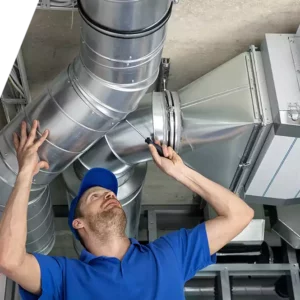
Reduction of ambient noise is an important aspect, which we should take into account while designing and using heat recovery systems. Noise can have a negative impact on our health, sleep quality and also general life quality. That’s why heat recovery, apart from its main role in heat recovery and ventilation, can also contribute to improvement of acoustic comfort inside buildings, all it takes is a little thought. If from the east side we have a road, when it comes to “gravity ventilation” we will never open a window on this side because of noise. When it comes to properly designed heat recovery systems, we will not put air exhaust or air intake there, although installing it on the north side will resolve or significantly reduce noise problems, without reducing ventilation of the premises on the east side of the building.
Why ensure quiet ventilation? The impact of noise on your health and quality of life.
Noise, especially the one on high level, can negatively impact our health and mood. Scientific research confirms the harmful impact of noise on the human body. According to The World Health Organization (WHO), long term exposure to noise with a level over 55 decibels (dB) can cause negative effects on health. Values over 75 dB are considered damaging to health and can lead to problems like:
- Problems with sleep. High levels of noise can hinder falling asleep, disturb sleep and lead to insomnia. Constant noise at night can disrupt the sleep cycle and wake people up, which leads to weakening of sleep quality.
- Enhanced stress level. Noise can cause anxiety, increase levels of stress and negatively impact our mood. Constant exposure to noise can lead to chronic stress, which has negative effects for physical and mental health. I myself, when there is too much going on around me, the noise of many people at once appears I start to stress. When girls in the office meet up to talk and I have a lot of work to do, I can’t concentrate and I need to end their discussion and collect my thoughts.
- Concentration disorders. High levels of noise can make it difficult to focus, lead to concentration difficulties and execution of tasks that need focusing. It can affect work, study or daily tasks efficiency.
- Hearing damage. Exposure to very loud noise for a long time can lead to hearing damage. Exposure to noise on levels higher than 85 dB can cause damage to hearing cells in the inner ear, which leads to permanent hearing loss.
- Noise impact on life quality. Noise can also have a negative impact on life quality, make daily activities difficult and impact on overall comfort. High levels of noise can interfere with peace, lead to unpleasant experiences and limit relaxation ability. It can also impact communication between people and cause dissatisfaction.
Is heat recovery loud? Your acoustic comfort in the room.
Heat recovery systems are designed by us in a way, so they will work quietly and so they will not generate unnecessary noise. Heat exchangers and vents in our units are precisely designed to provide the lowest noise emission. Thanks to that, heat recovery contributes to raising the acoustic comfort inside the building, especially in places where it is installed, such as bedrooms or offices. Quiet work of the heat recovery system allows occupants to enjoy peace and quiet in their environment.
One of additional assets of heat recovery systems is the fact that they enable isolation of outside noise. Central heat recovery can work as a “sound barrier”, separating the interior of the building from sources of noise, such as traffic or neighbors. Thanks to that, occupants can enjoy peace and quiet inside the premises, independently from intensity of noise from outside. In case of ventilation in the window or hole in the wall, we can hear birds singing in the room in the morning, the sound of a forest or a meadow, nature waking up, unless we have an annoying neighbor or live next to a busy road. In the case of heat recovery, the road from the hole in the wall to the air valve in our bedroom is disproportionately long. Anyway, SPECTRA 2 of second generation ducts used by us also performs the function of sound silencer.
To further reduce noise, we can use additional, certified acoustic silencers. Acoustic silencers are specifically designed to reduce noise emission while the heat recovery unit is working. They can be used in air canals, vents and other elements of installation of heat recovery, which generate noise. Use of acoustic silencers contributes to even bigger improvement of acoustic comfort inside the building.
Noise reduction is a relevant aspect, which should be taken under consideration while designing, or installing heat recovery systems. Good acoustic isolation, quiet operation of the system and use of additional acoustic silencers inside the building. Compliance with building standards and noise emission guidelines allows to ensure the right level of noise reduction and create an enjoyable and quiet environment for occupants.